
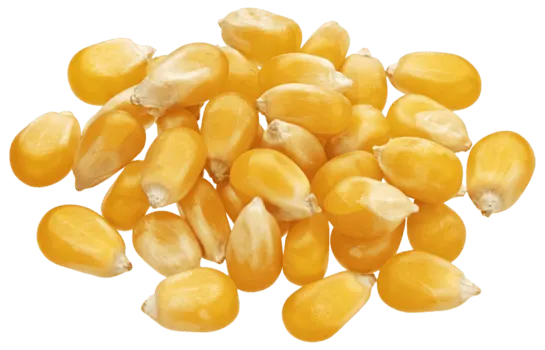
Maize is among the major cereal crops that are the primary drivers of India's agricultural economy, and the seed quality is the main factor for its success. Maize Seeds India has come a long way due to agricultural science improvements that targeted higher germination rates, more vigorous early growth, and better yield stability. Scientific breeding, exact quality testing,g and controlled storage are the practices applied in the production of high-germination maize seeds to ensure that the crops establish uniformly. It is then that the Indian farmers, contending with problems such as fluctuating weather and diverse soil,s realize the importance of knowing the science of high-germination maize seeds to get more produce, less loss of plants, and sustainable farming outcomes in all corners of India.
Awareness Germination: What It Means for Maize Seeds
Germination, a process in which a maize seed turns into a good-looking seedling, is a key indicator of maize seed quality in Maize Seeds India. Good germination assures even crop growth, more plants, and less input usage. In Indian agriculture, good germination is a must to survive early-stage stress, which is caused by changing soil moisture and temperature conditions.
- Start of the metabolic activity in maize seeds
- Radicle and shoot emergence
- Sprouting at the same time all over the field
- Plant density and yield have an immediate impact.
The Biology of Maize Seeds
The physical arrangement of cells in the kernels of corn plays a major role in seed germination and early vigor. In India, the seed biology of maize is studied in-depth and thoroughly to make sure that the embryo is alive and has enough nutrients for the initial growth. The processes of enzyme activation and root development are supported by the healthy internal structures.
- An embryo is for plant growth.
- Endosperm is the source of energy for germination.
- The seedcoat is a barrier against damage, both mechanical and biological.
- Enzyme activity is the main factor in the efficiency of sprouting
What Are High-Growth Maize Seeds?
High-growth maize seeds are seeds that have been scientifically developed and have superior sprouting rates to non-germinated seeds under the same conditions. In Maize Seeds India, these seeds are certified with the specification of the germination percentage, purity, and vigor to guarantee that they will perform reliably in different agro-climatic zones.
- Germination rate is usually more than 90%
- Seedlings are coming up uniformly and rapidly.
- Certified and tested under controlled conditions
- Lower chance of having to resow
Seed Breeding Science Behind High-Germination Maize Seeds
The use of advanced breeding methods is one of the main means by which high-performance Maize Seeds India are made. These days, practitioners pick parent lines having the best genetic qualities, which guarantees that plants will be more vigorous, stress-tolerant, and able to germinate evenly season after season.
- Hybrid breeding for higher vitality
- Genetic selection for simultaneous seedling emergence
- Greater tolerance to stress at the very beginning
- Seed production with the help of biotechnology
Environmental Factors Affecting Maize Seed Germination
Environmental factors have a profound impact on the germination success rate of Maize Seeds in India. Temperature of the soil, availability of moisture, and climate stability are major factors that decide the effectiveness of seed sprouting and root establishment during the early growth period.
- Best soil temperature for seed germination
- Sufficient soil moisture content
- Different climatic conditions in different parts of India
- Effect of monsoon period on germination
Seed Treatment Technologies Used in India
Seed treatment technologies in India raise the quality of Maize Seeds by safeguarding seedsduringd the most sensitive germination stage. The application of these treatments results in seed vitality enhancement, disease occurrence reduction, and better field emergence.
- Fungicide and insecticide coatings
- Biological seed treatments
- Enhanced protection against soil-borne bacteria
- Improved early-stage vigor
Role of Seed Testing and Quality Control
Quality control is at the heart of the Maize Seeds India industry. Seed testing secures the supply of first-rate, genetically pure seeds to farmers, thus preserving the trust and enhancing the productivity of agriculture.
- Laboratory germination testing
- Field performance trials
- Government certification standards
- Monitoring seed purity and moisture content
Storage Science: Maintaining Germination Quality
The proper storage conditions are crucial for the germination power of Maize Seeds India to be preserved. Even the best seeds will lose their viability if they are beforehand subjected to improper storage conditions.
- Temperature and humidity control
- Packaging that is not permeable to moisture
- Pest and fungus protection
- Management of shelf life
Soil–Seed Interaction in Indian Farming Conditions
The performance of Maize Seeds India at the germination stage is greatly impacted by the soil conditions. Healthy soil allows for the establishment of good root systems as it is rich in microorganisms and nutrients.
- Soil texture and structure
- Nutrient availability in the early development stage
- Helpful soil microorganisms
- Correct planting depth and spacing
Impact of High-Germination Maize Seeds on Crop Yield
The seeds with a high germination rate are directly responsible for better yield results in Maize Seeds India through the provision of even plant stands and the reduction of early crop loss.
- Evenness of the crop given birth.
- Less seed necessity
- Better utilization of nutrients
- More and consistent yields
Challenges in Maintaining High Germination in Maize Seeds
Even though there have been scientific breakthroughs, the issue of maintaining high germination in Maize Seeds India is still a difficult one to tackle. Genetics, environment, and market-related factors play a significant role here.
- Climate unpredictability and heat stress
- Improper storage methods
- Insects and diseases
- Counterfeit seeds in the market
Future Innovations in Maize Seeds India
Invention backed by research, technology, and eco-friendliness is what the future of Maize Seeds India is all about. Seed germination rate, seed adaptation,n, and seed survival under climatic pressure are the main aspects of the research.
- Climate-resistant maize types
- Innovative covering methods for seeds
- Precision breeding techniques
- Integration of agri-biotechnology
Adoption of High-Germination Maize Seeds Across Indian States
The Use of Quality Maize Seeds in India depends on Various Factors such as Climate, Soil Type, and Farming Methods. The adoption of high-germination maize seeds has been facilitated by the states that have educated the farmers about the seeds and provided access to the certified suppliers. They have reported an increase in productivity and a better uniformity of crops.
- Karnataka, Maharashtra, and Andhra Pradesh have emerged as the top three states in terms of maize farming adoption rates.
- The yields of both rainfed and irrigated regions have gone up.
- Governments and the private sector have been the major players in increasing awareness.
- Growing demand for certified maize seeds
Importance of Farmer Awareness and Seed Selection Practices
The expertise of farmers is of utmost importance in getting the most out of Maize Seeds India. Knowing the right seed variety and the basics of germination not only saves the farmers from losing their crops but also adds to the profits from the farm and the whole operation.
- The significance of selecting certified and tested maize seeds
- Knowledge about germination ratio and seed markings
- The right treatment and keeping before planting
- The impact of education programs and agri-extension services on this issue
Conclusion
In India, the maize seeds with a high germination rate are the basis of productive and sustainable farming. These maize seeds, being the offspring of seed biology, advanced breeding, quality testing, and proper storage, will make the very establishment of the crop strong and the yields improved. The constant progress in the science of maize seed, despite the alterations in the agricultural sector, will still vitally contribute to the Indian farmers, the food supply, and the maize quality.
FAQs
1. What is the rate of growth at which the maize seeds in India are considered good?
In India, a germination level of either 90% or above is largely considered to be the usual quality for verified maize seeds.
2. How do high-germination maize seeds help Indian farmers?
They guarantee even crop establishment, less seed wastage, lower replanting costs, and better overall yield.
3. Do hybrid maize seeds having more germination rate compared to traditional varieties?
Yes, hybrid maize seeds have been exactly bred for higher vigor, uniform rise, and improved growth rates.
4. What is the process for holding maize seed growth before sowing?
By storing seeds in cool, dry situations and using verified packaging to protect against moisture and pests.
5. Are soil conditions in India a factor that affects maize seed growth?
Yes, soil moisture, temperature, fertility, and microbial activity are the main factors that specify growth success.
