


Pre-Treatment Methods for Your Cumin Farming Seeds
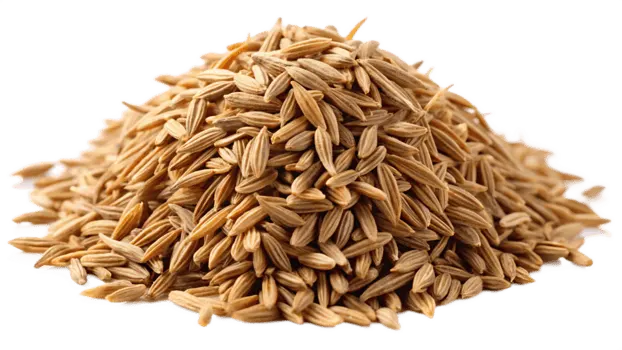
Cumin serves as a valuable spice crop that requires farmers to follow proper methods for Cumin Farming Seeds in order to achieve successful harvests. Farmers face challenges when their seeds do not germinate properly, which leads to their plants getting infected with seed-borne diseases because they experience different growth patterns that result from improper seed preparation. The process of pre-treating cumin seeds establishes essential foundations that enable better seed performance and initial crop growth. The appropriate cleaning, treatment, and priming methods for Cumin Farming Seeds enable better root growth and higher soil stress resistance, which leads to increased seed survival rates during the planting process. The process of seed pre-treatment leads to better crop yields andhigher-qualityy produce, which results in sustainable success for agricultural operations.
Understanding the Nature of Cumin Seeds
Cumin seeds need to be studied by farmers because the seeds need specific environmental conditions to develop their natural growth patterns. Cumin Farming Seeds have a thin seed coat, which makes their initial growth slow, and this slow growth period makes them more vulnerable to danger.
- The soil must have good drainage properties because cumin seeds need this condition to start their growth process.
- The system shows extreme sensitivity to two specific conditions, which include excessive water and fungal infections.
- The process of germination depends on the combination of temperature and the condition of the soil.
- The presence of weak seeds in a field leads to irregular patterns of plant growth, which results in different plant heights throughout the area.
Why Pre-Treatment Is Essential for Cumin Farming Seeds
The Cumin Farming Seeds, which undergo the pre-treatment process, demonstrate improved performance results in field testing. The seeds require proper treatment because their untreated state leads to both non-uniform germination and early-stage disease vulnerability.
- The method increases both the speed of germination and the uniformity of germination results.
- The solution provides protection to seeds against pathogens that exist in the soil.
- The process increases seed strength and promotes the development of initial root systems.
- The method decreases crop losses that occur throughout the first stages of plant development.
Selecting High-Quality Cumin Farming Seeds Before Treatment
The process of successful cumin cultivation begins with selecting appropriate seeds for the operation. The performance of Cumin Farming Seeds improves through pre-treatment because they respond better to the process.
- The selected seeds should have matching sizes and identical colors for uniformity.
- The selected seeds should not have signs of shrinkage, cracking, or color changes.
- The use of certified seeds and tested seed varieties should be followed whenever it is feasible to use them.
- The seeds must undergo inspection to confirm that they contain no pest presence and no signs of disease.
Cleaning and Grading of Cumin Farming Seeds
The initial requirement for Cumin Farming Seeds treatment requires both cleaning and grading procedures. The steps eliminate all unwanted materials that disrupt the seed testing process.
- The process involves removing all dust particles, stones, weed seeds, and any other debris.
- The procedure separates seeds into two categories, which include broken seeds and undersized seeds.
- The process of grading seeds enables farmers to achieve consistent planting depth throughout their fields.
- The system enhances both airflow and treatment absorption capabilities
Seed Soaking Techniques for Cumin Farming Seeds
The Cumin Farming Seeds germination process receives a boost from seed soaking,g which serves as an easy-to-use method. The process activates metabolic activity, which takes place before the actual sowing procedure.
- Soak seeds in clean water for 6–12 hours.
- The process of over-soaking should be avoided because it results in seed damage.
- The process enhances seed moisture absorption and seed swelling ability.
- The method promotes both rapid growth and consistent sprouting results across all plants.
Fungicide Treatment for Cumin Farming Seeds
The fungus treatment protects Cumin Farming Seeds from both seed-borne and soil-borne fungal infections, which pose serious threats to crop health.
- The system stops all diseases that include both wilt and damping-off.
- The system improves seed survival rates when seeds are in wet soil conditions.
- The system decreases death rates for crops during their first development phase.
- The process produces better results for seedling growth.
The application of recommended fungicides at correct dosages protects cumin seeds during their critical growth stage, resulting in improved establishment in the field.
Bio-Treatment Methods for Cumin Farming Seeds
Bio-treatment serves as an environmentally friendly solution that enhances Cumin Farming Seeds through its natural protective abilities against dangerous pathogens.
- The system uses beneficial microorganisms, which include Trichoderma, for its operational functions.
- The treatment process enhances both root growth and soil quality.
- The treatment process boosts the body's natural ability to fight against diseases.
- The product maintains a secure status for both environmental protection and farmer safety.
Bio-treated seeds establish a foundation for environmentally friendly agricultural methods, which sustain soil productivity over extended periods, making them ideal for organic and low-input cumin farming.
Nutrient Enrichment of Cumin Farming Seeds
The initial growth potential of Cumin Farming Seeds increases through nutrient enrichment because essential micro and macro nutrients become available through this process.
- The treatment improves the initial strength of seedlings that have recently germinated.
- The process increases enzyme activity that occurs during the seed germination process.
- The system establishes a foundation for developing both root systems and aboveground plant structures.
- The system helps to minimize the various signs that show plants need essential nutrients.
Essential nutrient treatment of seeds helps plants during their initial growth stages because it improves their ability to absorb nutrients from the soil. This process results in two benefits, which include healthier plants and improved crop productivity.
Seed Priming Techniques for Cumin Farming Seeds
The process of seed priming enables cumin seeds to achieve fast and consistent germination through the partial development of their growth functions.
- The process includes two methods of seed priming, which are hydro-priming and organic priming.
- The treatment increases the metabolic processes that occur in seeds.
- The treatment enables plants to withstand environmental conditions that cause them stress.
- The treatment enables crops to emerge from the ground at the same time.
Farmers can achieve better plant growth and increased crop production because primed seeds establish effectively in their fields and thrive in difficult weather situations.
Drying and Storage After Pre-Treatment
- The process of drying and storing Cumin Farming Seeds requires proper methods to preserve seed viability after treatment.
- The drying process for seeds needs to occur in shaded spaces because this method maintains their moisture content at a steady level.
- The method requires users to stay away from both direct sunlight and high temperature conditions.
- The storage system needs to use containers that remain clean and dry while providing proper airflow.
- The recommended time period for planting treated seeds needs to be followed by users.
Common Mistakes to Avoid During Cumin Seed Pre-Treatment
The effective use of Cumin Farming Seeds pre-treatment process requires users to eliminate all common mistakes that exist in the procedure.
- The process of seed over-soaking occurs when seeds remain soaked in water for unreasonably long durations.
- The process of applying excessive chemical quantities to a situation
- The process of treatment combinations requires experts to maintain control over all treatment elements.
- The process of improper drying needs to be performed before both storage and sowing activities.
The errors people make in this process cause damage to seed quality, which results in lower germination rates and leads to diminished crop establishment and decreased cumin production.
Impact of Proper Pre-Treatment on Cumin Crop Yield
The pre-treatment process of Cumin Farming Seeds shows better results because it helps their performance through all stages of growth, according to scientific evidence.
- The germination process achieves greater speed through its ability to generate more seeds, which germinate at quicker rates.
- The fields show consistent plant development throughout their entire area.
- The process leads to decreased occurrences of diseases.
- The process results in greater production of both seeds and spices.
Conclusion
The success of Cumin Farming Seeds depends on pre-treatment, which establishes the foundation for achieving healthy, high-yielding crops. The seed selection process, together with cleaning and soaking treatments,t and storage methods all enhance plant growth through stronger germination. Treat the cumin plant seeds in advance so that farmers can achieve enhanced crop yield due to crop establishment, disease control, and high-quality cumin when receiving environment-friendly agricultural practices.
FAQs
1. Is the pre-treatment missing in the cumin seed sowing?
The pre-treatment process enables seeds to germinate while protecting them from diseases, which results in regular growth.
2. Can cumin seeds be sown without pre-treatment?
The answer is yes, but the seed germination process becomes slower and produces irregular results, which decrease overall production.
3. Are bio-treatment of cumin seeds and chemicals beneficial?
Bio-treatment's logic is to be eco-friendly and safe, in comparison to the chemical treatment, and to provide easier disease control.
4. How long should seeds be soaked for cumin farming?
Normally, the soaking period is 6-12 hours, depending on the condition of the seed and the temperature in local areas.
5. Does pre-treatment of seeds increase the ultimate cumin crop?
High seed vigor is encouraged with proper pre-treatment; healthy plants can consequently produce larger total yields.
© Bombay Super Hybrid Seeds Limited. All rights reserved
Quick
Inquiry