


Key Regulations for Seeds Exporters in India to Follow
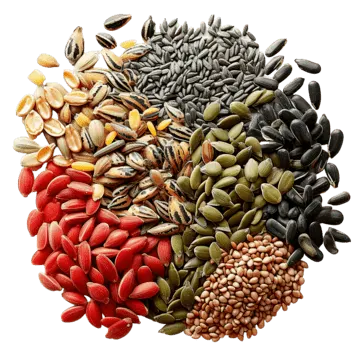
India has become a reliable supplier for the international agricultural market because global markets are increasingly demanding its high-quality seeds. Indian seed exporters must meet export regulations because these rules serve both legal mandates and essential business operations, which help them build trust with customers and successfully conduct international trade. Seed exports must meet strict quality standards and safety requirements, and phytosanitary regulations that protect the agricultural ecosystems of importing nations. Exporters need to understand regulations because it helps them prevent shipment delays, rejection of goods, and financial penalties. This blog outlines the key regulations that seed exporters in India must follow to operate efficiently and sustainably in global markets.
Overview of the Indian Seed Export Market
India has become an important country in the worldwide agricultural supply chain because it exports various vegetables and field crops and hybrid seeds to countries in Asia, Africa, Europe, and the Middle East. The Indian seed exporters maintain their international market position because they benefit from excellent weather conditions, their research and development facilities, and their affordable manufacturing methods.
- The demand for Indian hybrid seeds and non-GMO seeds continues to rise.
- The private seed companies and agricultural export businesses maintain a strong presence in the market.
- The government provides increasing support for agricultural export activities.
Legal Framework Governing Seeds Exporters in India
The seed export industry functions under a legal system that establishes quality standards and biosecurity measures and supports international standard compliance. The seed export business in India requires its exporters to follow various legal requirements and central government regulations.
- The domestic seed laws establish requirements for seed quality and certification processes.
- The export rules follow international trade agreements to control exports.
- All organizations must follow the mandatory plant quarantine requirements and safety regulations.
The Seeds Act, 196,6 and Its Relevance to Exporters in points with heading
The Seeds Act, 1966, established the basic framework that controls seed quality standards throughout India while serving as an essential requirement for Indian seed exporters who need to meet export regulations.
- The organization establishes fundamental requirements that determine the quality and purity standards for seeds.
- The organization controls the process of seed labeling and packaging together with the distribution activities of seeds.
- The organization requires testing and certification procedures to be completed before products can be exported.
- The system safeguards importing nations against receiving seed materials that do not meet their quality standards.
Seed (Control) Order, 1983: Licensing & Compliance in points with heading
The Seed (Control) Order, 1983, establishes rules that govern how seed manufacturers and exporters must conduct their business activities. The Indian government requires seed exporters to maintain transparent operations that enable proper accountability.
- All organizations must possess active licenses to conduct their seed export operations.
- The requirement exists for businesses to keep detailed records of their inventory and sales transactions.
- The system allows authorized personnel to conduct inspections of business operations.
- The system guarantees that seed export businesses will conduct their operations according to fair trade regulations.
Role of the Directorate General of Foreign Trade (DGFT)
The DGFT agency establishes India's export-import rules while it controls all aspects of seed export regulation. The DGFT regulations require all Indian seed exporters to follow its established rules.
- The classification system for seeds divides them into three export categories, which include free seeds, restricted seeds, and prohibited seeds.
- The process requires export licenses to be issued only when necessary.
- The Foreign Trade Policy requires organizations to conduct monitoring activities that ensure their compliance.
- The system distributes HS codes to all seed export shipments.
Phytosanitary Certification Needs
Exported seeds require phytosanitary Verification to demonstrate their pest and disease-free status. This requirement is critical for seed exporters in India.
- Plant quarantine authorities who have official authorization
- Confirms compliance with importing country regulations
- Prevents shipment rejection at destination ports
- International plant health safety is assured through this process
International Standards and Importing Country Regulations
Exported seeds must comply with both Indian regulations and destination country requirements. Indian seed exporters must maintain knowledge about international standards.
- Organizations must follow ISPM guidelines.
- Organizations must follow their respective country's import regulations.
- Organizations must comply with the terms established in their bilateral trade agreement.
- Understanding tolerance limits for pests and diseases
- The understanding of pest and disease tolerance limits is essential for effective pest and disease control measures.
Quality Testing and Certification Method
The testing process verifies that seeds satisfy international performance standards. The testing process serves as an essential requirement for Indian seed exporters who want to achieve international market entry.
- The testing process includes three tests, which measure germination rates, seed purity, and seed moisture levels.
- The seed testing laboratories that have received official accreditation provide certification services to their clients.
- The exported seeds maintain their quality through the testing process, which ensures consistent performance.
- The process establishes confidence between international buyers and the company.
Packaging, Labeling, and Traceability Norms
Proper packaging and labeling systems improve their ability to track products and meet regulatory needs. The seed exporters in India need to comply with all established guidelines.
- The packaging needs to use materials that will remain intact and that will not allow any contamination to occur.
- The basic labeling requirements need to include information about product variety and the specific batch number of the item.
- The system needs to provide clear methods that will help to track products and conduct recalls when necessary.
- The product needs to meet all language requirements established by the importing country.
Documentation Required for Seed Exports
The export process needs accurate documentation to function properly. Indian seed exporters must complete their documents without mistakes to achieve proper documentation standards.
- The commercial invoice, together with the packing list
- The phytosanitary certificate, together with the certificate of origin
- The export license, together with DGFT authorization,n serves as the mandatory export documentation requirements.
- The shipping documents,s together with the customs clearance documents
Customs Clearance and Port Inspection Method
Customs authorities conduct inspections to verify regulatory compliance. Efficient handling helps Indian seed exporters to avoid delays in their operations.
- The process of physical inspection requires sampling at ports.
- The process requires document verification together with certification checks.
- The process of customs clearance operates through established customs systems.
- It will be vital to co-ordinate activities with both freight forwarding agencies and port representatives.
Penalties, Conformity Risks, and Best Practices
Seeds exporters in India face severe consequences, which can disrupt their operations and damage their business reputation when they fail to comply with regulations.
- The penalties for violations include both financial charges and the revocation of business permits.
- The company can face two consequences, which include either shipment rejection or blacklisting.
- The company will face export restrictions because of its three or more violations.
- The best practices for a business require it to conduct routine compliance audits and provide employee training while maintaining current knowledge of all regulatory updates.
Conclusion
The successful international trade operations of seeds exporters in India depend on their ability to meet all regulatory requirements. International buyers develop trust through the export process, which requires seed law compliance,d export regulations, quality control standards,s and phytosanitary testing. Indian seed exporters can build their global market presence through risk management, documentation accuracy, and best practice implementation.
FAQs
1. Do seed exporters in India need a special export license?
Yes, DGFT authorization or particular licenses become necessary for exporters who deal with specific seed types.
2. What are the main functions and necessity of phytosanitary confirmation?
The paper says that products and seeds are plant health-controlled and free from all harmful pests and diseases.
3. Are all seeds freely exportable from India?
No, some seeds fall under restricted or prohibited categories as per DGFT regulations.
4. Which authority regulates seed quality for export in India?
The central and state seed certification agencies serve as the primary authorities for seed quality control according to the Seeds Act.
5. What are the consequences if the seed exportation regulations are not abided by?
There might be quite a few possibilities on the issue. It may also result in rejection of the shipment or imposition of a fine, besides license cancellation or ba an on export altogether.
© Bombay Super Hybrid Seeds Limited. All rights reserved
Quick
Inquiry